)
)
- Prenatal Genetics
- Molecular Genetics
- Clinical Genetics
- ELSI Public Health and Policy
- Neurogenetics
- Cytogenetics
- Laboratory Genetics and Genomics
- Biochemical Genetics
- Laboratory Genetics
- Cancer Genetics
- Education and Research Strategies
- Laboratory
- Medical Biochemical Genetics
- Research
- Genetic Counseling
- Genetic Cardiology
- Pediatric Genetics
- Medical Genetics and Obstetrics
-
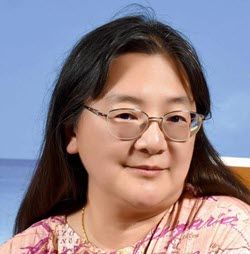 Dr. Anne Chun-Hui Tsai is a professor and head of biochemical genetics at University of Illinois Chicago. She is board certified in pediatrics, medical genetics and genomics and Clinical biochemical genetics. Her clinical interests include inborn errors of metabolism, dysmorphology, clinical trial and fundamental biology。 She was a professor at University of Colorado and endowed chair at University of Oklahoma, where she was also the director of NORD COE. Dr. Tsai's research interests include rare diseases, neuroinflammation, and innovate treatment of IEM. She was involved in the development and clinical trials of GLP-2 and Myozyme.
 -
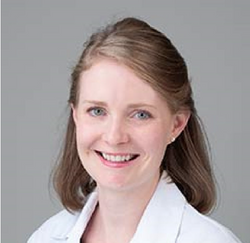 Christina Marie Peroutka, MD, is a board-certified physician in pediatrics, clinical, general and medical biochemical genetics who specializes in helping infants, children and adults with genetic conditions. She has a particular interest and expertise in inborn errors of metabolism and newborn screening.
Peroutka received her medical degree from the Brody School of Medicine at East Carolina University in Greenville, North Carolina. She completed residency training in pediatrics and genetics at The Johns Hopkins Hospital in Baltimore, Maryland, and a fellowship in medical biochemical genetics at the National Institutes of Health (NIH) in Bethesda, Maryland.
During her residency and fellowship, Peroutka led an electronic medical record (EMR) study to identify patients who are at risk of having a rare metabolic bone condition called hypophosphatasia (HPP), subsequently evaluating at-risk individuals to offer a genetic evaluation, counseling, testing and treatment. She remains interested in research on and management of patients with HPP and follows a large number of patients from the region with this condition.
Peroutka enjoys working with clinical research participants to make new observations and discoveries that can help improve care for patients with rare conditions. She has been involved in bringing new molecular genetic testing methodologies to UVA, especially for patients in the critical care setting. She is the principal investigator at UVA for a number of studies including a drug trial to treat adolescents with phenylketonuria (PKU) and a protocol to help resolve uncertain or nondiagnostic testing for infants with congenital heart disease. She is also interested in medical education and inspiring the next generation of healthcare providers.
Peroutka is a member of the American Academy of Pediatrics, the American College of Medical Genetics and Genomics, and the American Medical Association. She serves as an appointee on the Virginia Rare Disease -
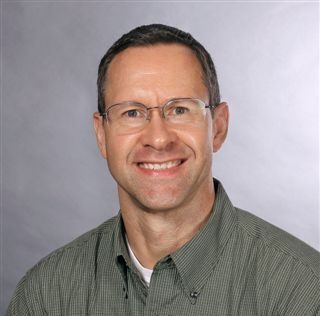
Dr. Sharer is a clinical biochemical geneticist at UAB. He specializes in the laboratory diagnosis of inherited metabolic disorders via application of targeted metabolomics technologies. Dr. Sharer is the Director of the UAB Clinical Biochemical Genetics fellowship training program, Director of the Department of Genetics Research Division, and is President-elect of the Southeastern Regional Genetics Group (SERGG). He is also a former member of the ABMGG Board of Directors and the ACGME Medical Genetics Residency Review Committee.
-
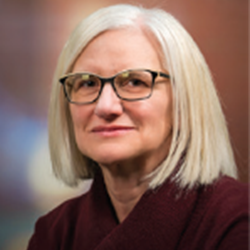 Dr. Pasquali is a professor of Pathology at the University of Utah School of Medicine, and Medical Director of Biochemical Genetics and Newborn Screening at ARUP Laboratories. Dr. Pasquali earned her degrees of doctor in pharmaceutical chemistry and technology and pharmacy doctor at the University of Parma School of Pharmacy in Italy. She trained in clinical biochemical genetics at Emory University, in Atlanta, Georgia where later served as the co-director of the Biochemical Genetics Laboratory. Dr. Pasquali is board certified by the ABMGG in Clinical Biochemical Genetics. She is a member of the Society for Inherited Metabolic Disorders, the American College of Medical Genetics and Genomics, and several other professional societies. Her research interests are newborn screening, disorders of carnitine and creatine metabolism and transport, and lysosomal storage disorders.
 -
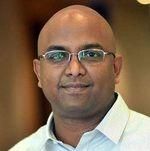
Dr. Taraka Donti is the Director of Laboratory Services at Revvity Omics Inc. in Pittsburgh, Pennsylvania. Dr. Donti specializes in clinical laboratory operations, with expertise in quality management, regulatory compliance, and the implementation of advanced diagnostic technologies. Professional interests include improving laboratory efficiency, supporting high-quality patient care through accurate and timely testing, and advancing translational diagnostics from research into clinical practice. Dr. Donti has extensive experience in laboratory validation, assay implementation, and cross‑functional collaboration, and is committed to mentoring laboratory professionals and fostering a culture of excellence, innovation, and continuous improvement.
-
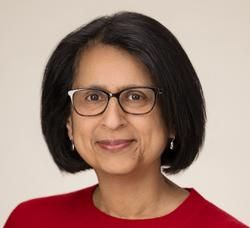
Dr. Ligon has been a Clinical Cytogeneticist at Brigham & Women’s Hospital (BWH) in Boston since 1999. Her clinical interests include the cytogenetics of primary CNS tumors and translation of research tools to clinical use. Beginning in 2003, Dr. Ligon served as the Program Director for the BWH Clinical Cytogenetics Fellowship and then later as the Associate Program Director for the BWH LGG Fellowship. She has served on ACMG Committees, on the ABMGG Board of Directors, and on the ACGME Review Committee for Medical Genetics and Genomics. In 2025 she assumed the role of CEO of the American Board of Medical Genetics and Genomics.
-
Dr. Gokce Toruner is a laboratory geneticist at MD Anderson Cancer Center, specializing in the cytogenetics of hematological malignancies, as well as NGS-based testing of solid tumors and liquid biopsies. Dr. Toruner has published on the genetic basis of solid tumors, utilizing high-throughput technologies such as gene expression microarrays, chromosomal microarrays, and next-generation sequencing. His recent research has focused on the cytogenetics of hematological malignancies, with a particular emphasis on the application of optical genome mapping in these disorders. Dr. Toruner also oversees the cytogenetics laboratory rotations at MD Anderson Cancer Center for residents and fellows
-
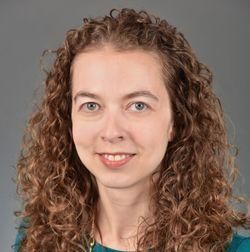
Anne O’Donnell-Luris is a pediatric clinical genetic and biochemical genetic physician-scientist at Boston Children’s Hospital and the Broad Institute. Dr. O’Donnell-Luria specializes in the clinical management of chromatin disorders. She leads a research laboratory that focuses on genomics and other omics approaches to increase rare disease diagnosis through improved variant classification and interpretation and the discovery of novel gene-disease relationships. She also studies the mechanisms of incomplete penetrance. She is involved in several consortia projects, including GREGoR, gnomAD, ClinGen (Computational Working Group and Syndromic Disorder Gene Curation Expert Panel co-chair), NeuroDev, and Chromatin Clinics consortia. She has a particular interest in advising clinicians and scientists on career development in human and clinical genetics.
-
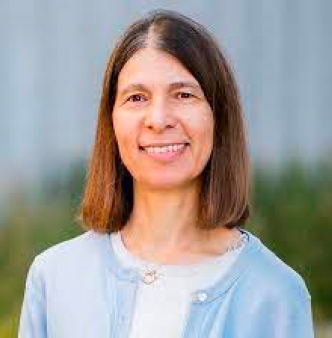 Dr. Slavotinek is certified in Clinical Genetics and worked as a Medical Geneticist at the University of California, San Francisco, from 2002 until 2022 prior to moving to Cincinnati Children’s Hospital Medical Center as Division Director for Human Genetics. She specializes in rare diseases, dysmorphology and clinical genomics. Dr. Slavotinek received her medical degree from the University of Adelaide and her Ph.D from Flinders University whilst studying in Edinburgh at the MRC Human Genetics Unit in the United Kingdom. She trained in Clinical Genetics in Oxford and Manchester in the United Kingdom and then did a postdoctoral Fellowship and a Genetics Fellowship at the National Institutes of Health. She has held leadership positions for the American College of Medical Genetics and the American Board of Medical Genetics and Genomics. Dr. Slavotinek is a Co-Editor in Chief for the American Journal of Medical Genetics and an author on more than 280 peer-reviewed publications. She was a Principal Investigator for the UCSF site of the Clinical Sequencing Evidence Generating Research (CSER) consortium. She also directs an NIH-funded laboratory that uses next-generation sequencing technologies and animal models to study the etiology of developmental eye defects and multiple congenital anomaly syndromes.
 -
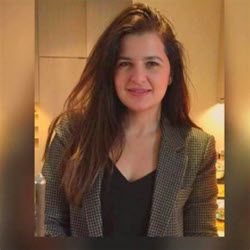
Dr. Aslihan Dincer is a board-certified clinical molecular geneticist and is the Associate Clinical Laboratory Director of Women’s Health at Natera. She oversees laboratory escalations across clinical genomic operations with a focus on carrier screening, variant curation/interpretation, and data review. Dr. Dincer earned her doctorate in Genetics and Genomics from the Icahn School of Medicine at Mount Sinai and completed her clinical training in cytogenetics and molecular genetics at the same institution. Prior to joining Natera, she held a junior faculty appointment at Mount Sinai. Dr. Dincer’s clinical and research interests include advancing NGS-based diagnostics (WES/WGS), carrier screening, and cell-free DNA–based noninvasive prenatal testing with the overarching goal of utilizing these cutting-edge molecular technologies to provide accurate, efficient, equitable genetic testing and high-quality care.
-
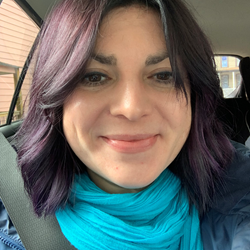
dr. Ortiz is currently a Clinical Geneticist at UPMC Children’s Hospital of where we manage a variety of complex and rare metabolic conditions and are involved in cutting-edge research and transplantation to improve the lives of patients and their families. I am also currently the director of our large lysosomal storage disorder program and have been so for the past 9 years. I am the principal investigator for several lysosomal storage disorder clinical trials and registries. I served as the associate program director of the Clinical Genetics and Genomics residency program for 3 years and am now the program director and recently established our Combined Pediatrics/Medical Genetics and Genomics residency program. I have served in a teaching and supervision role since my medical genetics residency at the Icahn School of Medicine at Mount Sinai, where I was the Chief Resident. I also lecture regularly for the categorical pediatric residents, as well as the NICU and PICU fellows and created a didactic and board-review curriculum for our trainees (Clinical Genetics and Genomics, Clinical Biochemical, Laboratory Genetics and Genomics). I am also involved in our Genetic Counselor Training program, where I serve as Medical Director, serve on thesis committees and lecture.
-
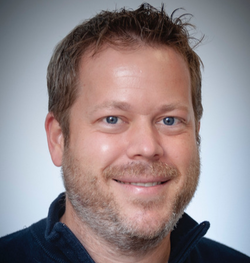
Danny Miller is an Assistant Professor in the Department of Pediatrics, Division of Genetic Medicine, and the Department of Laboratory Medicine and Pathology at the University of Washington and Seattle Children’s Hospital in Seattle, Washington. His laboratory uses new technologies, such as long-read DNA and RNA sequencing, to identify missing disease-causing genetic variation and to better understand biological processes associated with human disease. His lab is working to develop long-read sequencing-based clinical genetic tests with a goal of increasing the rate of genetic diagnoses, reducing the amount of time required to make a genetic diagnosis, and lowering barriers to obtaining comprehensive clinical testing. Clinically, he cares for patients in both general genetics and skeletal dysplasia clinics. More information can be found on his lab website at www.millerlaboratory.com.
-
David Flannery, M.D,. Geneticist and Director of Telegenetics and Digital Genetics, Cleveland Clinic
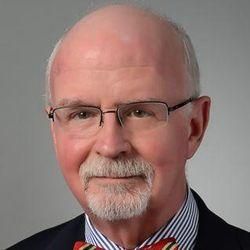
Dr. Flannery is a practicing M.D. Geneticist and Director of Telegenetics and Digital Genetics at Cleveland Clinic, where his team is creating the digital future of genetic services using synchronous telemedicine, eConsults and chatbots. From February 2014 to May 2018 he served as Medical Director of the American College of Medical Genetics and Genomics and also served as Medical Director of the NICHD funded Newborn Screening Translational Research Network and was Medical Director of the HRSA funded National Coordinating Center for Regional Genetic Services Networks, and served on its Telegenetics Workgroup. Prior to ACMG he was at the Medical College of Georgia (now Augusta University) where he served in a succession of clinical, academic and medical staff leadership positions. He has been a grant reviewer for NIH, NHGRI, FDA, U.S. Army, professional organizations, and state commissions. Dr. Flannery is known as a pioneer in telemedicine. At MCG he started telemedicine genetics clinics in 1995, which are considered to have been the longest continually running telegenetics services in the nation. He has served on the boards of directors of multiple telehealth entities. He publishes extensively and is a frequent presenter at national meetings. He has served on national committees/workgroups including the Telehealth Committee of the National Quality Forum and the Digital Medicine Payment Advisory Group for the American Medical Association, and currently serves on the Telemedicine Workgroup for the National Organization for Rare Disease Centers of Excellence and the Medicare Evidence Development and Coverage .Advisory Committee for CMS. He is an expert in coding and serves on the AMA’s CPT Advisory Committee and the External Advisory Board for the American Hospital Association’s Coding Clinic.
-
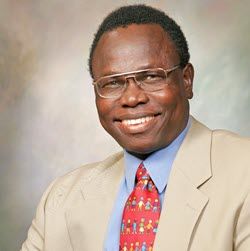
Dr. Joachim Kapalanga, MD, MSc, PhD, FAAP, FACMG, DABMG, DABP, is an internationally recognized physician-scientist and academic leader in pediatrics and medical genetics. He is a Professor of Pediatrics at the Schulich School of Medicine and Dentistry and a member of the South Western Ontario Academic Health Network – Knowledge Translation Group. He also serves on faculty at McMaster University and as a Visiting Professor at Gulu University. His academic leadership spans several prominent institutions. He previously served as Associate Professor and Head of the Division of Medical Genetics at Upstate Medical University/SUNY, and held faculty appointments at Yale University, SUNY, Dalhousie University, and the PEI University and Health Research Institute.
Dr. Kapalanga’s research focuses on the epigenetics of neurodevelopmental disorders and on neurobehavioral genetics and genomics. Through his scholarly work, leadership in genetics programs, and commitment to translational research, he has made significant contributions to advancing understanding of complex developmental conditions and strengthening academic medicine both in North America and internationally.
Board-certified in both Medical Genetics and Pediatrics, Dr. Kapalanga is a Fellow of the American College of Medical Genetics and the American Academy of Pediatrics, a Diplomate of the American Board of Medical Genetics and the American Board of Pediatrics, and an Associate Fellow of the Canadian College of Medical Genetics. He is an active member of numerous national and international professional and scientific organizations. Educated at Yale University, the State University of New York (SUNY), Queen’s University, McMaster University, and the University of Guelph, he has built a distinguished career integrating clinical excellence, research innovation, and academic leadership.
-
Dr. Berg is a clinical geneticist and physician scientist at the University of North Carolina at Chapel Hill. He was active in clinical care in the area of cancer and adult genetics for 15 years and has now transitioned to broader roles at UNC, leading the Program for Precision Medicine in Health Care and recently taking a position within the UNC Health System where he will contribute to system-wide quality improvement and care redesign efforts related to genomic medicine.
Dr. Berg’s research efforts have centered on the application of genomic sequencing technologies in patient care, starting with early forays into exome/genome sequencing and delineating criteria for clinically actionable secondary findings. He has worked in the area of genomic population screening of unselected neonates and adults for over a decade, and now has an active research effort to explore the application of targeted genomic screening for rare monogenic conditions throughout childhood. This model, called Age-Based Genomic Screening (ABGS), is proposed as a way to connect genomic screening across the lifespan from neonates to infants, children, adolescents, and adults. Dr. Berg’s work in genomic screening includes developing metrics for measuring the performance of sequencing as a screening test (which is quite different than the diagnostic setting for patients with rare disease). Dr. Berg is also one of the founding Principal Investigators of the Clinical Genome Resource (“ClinGen”) in which his team has played a major role in developing methods for curating and defining gene-disease relationships and variant pathogenicity. In his role at UNC, Dr. Berg leads an effort to deploy genomic technology within the affiliated health system, including the Epic Genomics Module, interfaced genetic tests and structured results, and associated decision support tools. He is actively involved in developing virtual care programs such as genomic medicine eConsults; disseminating genetic testing capabilities; improving the identification, diagnosis and management of patients with rare and monogenic conditions across all disease areas; and ensuring that genomic and precision medicine approaches are accessible to patients throughout the state-wide footprint of the UNC Health System.
-
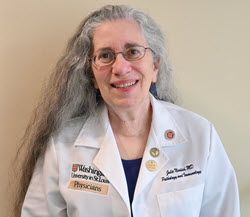
Julie Neidich, MD, is a professor in Pathology and Immunology, and in Pediatrics at Washington University School of Medicine (WashU Med). She is the medical director of the Clinical Genomics Core Lab and was the medical director of the Clinical Genomics Laboratory in the Division of Genomics and Molecular Pathology. She is a clinical and laboratory geneticist with experience and expertise in all aspects of genetic medicine and diagnostics, and special interest in phenotype-genotype correlations, genomics and multi-omics, neurogenetics, somatic variants, and biochemical genetics. She is a founding fellow of the American College of Medical Genetics and Genomics and a fellow of the American Academy of Pediatrics.
-
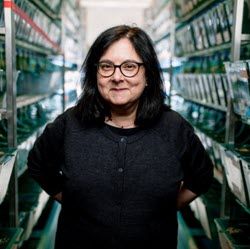 Dr. Schimmenti is a clinical geneticist at the Mayo Clinic. Her practice primarily covers patients with conditions with hearing and vision issues, but she also covers a broad range of patients including inborn errors of metabolism and cancer. Her research laboratory focuses on the genetics of hearing and vision. Her current focus in on a zebrafish model of Cockayne Syndrome (PMID: 41527836). Dr. Schimmenti is also the co-Director of the Mayo Clinic Medical Scientist Training Program (MD-PhD).
 -
Dr. Robin is a medical geneticist at University of Alabama at Birmingham and Children’s of Alabama. He is a general geneticist with a focus on craniofacial genetics. He oversees clinical genetics for UAB Health System, leading a team of 7 medical geneticists, 25 genetic counselors, and 8 residents. He was the residency program director for 20 years. He is currently a member of the American Board of Medical Genetics and Genomics.
-
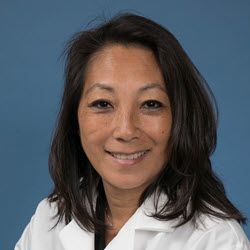
Dr. Kang is dual boarded in Cytogenetics and Molecular Genetics and Genomics and is licensed in the State of California. She has experience in both academic and hospital-based laboratories with large test menus including G-banded karyotyping, FISH, chromosomal microarray, Sanger sequencing, fragment analysis, DNA and RNA-based NGS panels, and clinical exome sequencing, and has expertise on a broad spectrum of specimen types spanning prenatal, postnatal constitutional, hematologic malignancies, and solid tumors. Dr. Kang also contributes to education at various levels from technologist training as the Director of the Clinical Cytogeneticist Scientist (CCS) Training Program at UCLA to laboratory fellow training as core faculty and mentor in the UCLA ABMGG Laboratory Genetics and Genomics (LGG) Fellowship Training Program. She guest lectures in courses for the UCLA Masters in Genetic Counseling Program and the Department of Pathology, as well as participates in national and international workgroups dedicated to developing resources and technical standards for clinical laboratories.
-

Dr. Ying Zou is a Director of Genomic Laboratory at Johns Hopkins Hospital, Director of ACGME-accredited Laboratory Genetic and Genomics program, and Associate Director of Molecular Laboratory at Johns Hopkins University. Her clinical expertise includes the diagnosis of genetic abnormalities in cancers and genetic diseases. Dr. Zou is an expert in clinical laboratory genetics. She is actively adopting novel techniques into genetics tests in the clinical setting for better patient care, personalized medicine, as well as for discovering disease variants and novel cancer biomarkers. She is a committee member of clinical trials and professional societies, editor/board member for professorial journals, and has published more than 130 peer-reviewed journal articles.
-
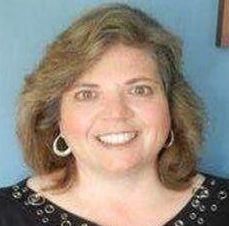
Dr. Kathleen Valverde is an Assistant Professor in Translational Medicine and Human Genetics at the Perelman School of Medicine at the University of Pennsylvania. She is the principal investigator for two major Warren Alpert Foundation initiatives—the Alliance for Genetic Counseling Fellowship and the Career Ladder Educational Program—totaling nearly $20 million to support scholarship, training, and research advancement in genetic counseling.
A leader in the field for three decades, Dr. Valverde has directed the UPenn/Arcadia genetic counseling program since 2004 and has helped train nearly 400 genetic counselors. She previously held key roles at Sarah Lawrence College and received Arcadia University’s Professor of the Year award in 2018. Her research focuses on hereditary cancer risk, BRCA family experiences, genetic risk communication, and resiliency in mitochondrial disease—and is informed by her own BRCA‑positive family history.
Dr. Valverde has held national leadership roles, including with the Accreditation Council for Genetic Counseling as its founding treasurer and the Association of Genetic Counseling Program Directors, and chaired Pennsylvania’s licensure committee, helping secure the state’s licensure law in 2012. In recognition of her 25 years of service, Arcadia established the Kathleen D. Valverde Scholarship to support undergraduate research.
-

Shoumita Dasgupta, Ph.D., is a scientist educator, a Professor of Medicine, and an Assistant Dean of Diversity & Inclusion, working with MD and PhD students in the diverse and inclusive higher education environment of Boston University. Her passion for genetics, genomic medicine, diversity and inclusion, and mentoring serve as the foundation for her supportive and creative leadership in the field. Dr. Dasgupta is a US Department of State Fulbright Specialist, a member of the inaugural cohort of faculty affiliates at the Ibram X. Kendi Center for Antiracism Research, and Past President of the Association of Professors of Human and Medical Genetics. In addition, she works with the National Academies of Science, Engineering, and Medicine, the National Human Genome Research Institute, the American College of Medical Genetics and Genomics, the American Society of Human Genetics, and others to promote initiatives in education, diversity, equity, inclusion, and justice. Dr. Dasgupta is the author of Where Biology Ends and Bias Begins: Lessons on Belonging from Our DNA, published by the University of California Press.
-
Dr. Yvonne Bombard is Professor and Canada Research Chair in Genomics Health Services at the University of Toronto and Unity Health Toronto. She directs the Genomics Health Services Research Program at St. Michael's Hospital. She also serves as coFounder and CEO of Genetics Adviser. Her work evaluates the outcomes of genomic technologies on patients and healthcare systems, develops digital tools for genomic medicine, and engages patients in health technology assessment. Dr. Bombard is actively involved in international policy advisory committees and serves on the boards of the American Society of Human Genetics and CIHR Institute of Genetics. She has received numerous awards, including a CIHR Foundation grant, 'Rising Star' and Presidential awards from CADTH, CIHR, UofT and the Canadian Cancer Society for her impactful research and policy contributions, for which she has been inducted into the Royal Society of Canada's College of New Scholars and the Canadian Academy of Health Sciences.
-
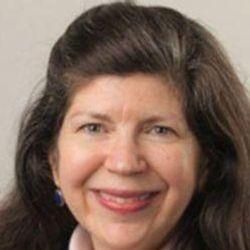
Dr. Wechsler is an expert in cardiovascular genetics. She is faculty member in Pediatric Cardiology and Medical Genetics at Children’s Healthcare of Atlanta and Emory School of Medicine in Atlanta, GA. Her clinical and research interests are in cardiovascular genetics, particularly in genetic causes of congenital heart disease and genetic conditions that affect the heart and/or include a cardiac phenotype. Early in her career, she was the recipient of a K08 award that funded basic research in cardiac development. She then transitioned to clinical research in cardiac genetics, participating in multicenter clinical trials including the NIH-sponsored Pediatric Heart Network Marfan Trial, the Cytogenomics of Cardiovascular Malformations Consortium as well as industry-sponsored trials in Duchenne Muscular Dystrophy. Dr. Wechsler also has expertise in medical education, serving as the Fellowship Program Director for Pediatric Cardiology at Duke University School of Medicine from 1998-2017, and most recently as the Medical Director for the Emory School of Medicine Genetic Counseling Training Program from 2019-2022.
.
-
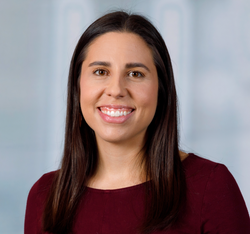
Kristen is a genetic counselor who sees inpatients at multiple ICUs (NICU, CCU, PICU, Floor) across Omaha and patients in the Differences of Sexual Development Clinic at Children's Nebraska in tandem with geneticists. She was the founding genetic counselor for these clinical roles at her institution and has worked to expand access to rapid genomic testing across multiple hospital systems throughout Omaha. Her research has focused on exploring the role of an inpatient genetic counselor, expanding access to genomic testing in the ICU for critically ill patients, and exploring parental decision making about pursuing amnioinfusions when their fetus has renal anomalies. She was also involved in creating clinical surveillance guidelines for patients with Trisomy 13/Trisomy 18. Kristen is the Capstone Director for the Genetic Counseling Program at the University of Nebraska Medical Center.
-
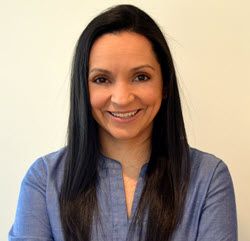 Dr. Maria Guillen Sacoto is the Scientific Director of Research and Innovation at GeneDx, a commercial molecular testing laboratory specializing in genetic testing for rare diseases. Dr. Guillen Sacoto is an IMG physician with training in Internal Medicine and dual boards in Clinical Genetics and Molecular Genetics. Her research interests center around understanding gene-disease associations, translating genomic data into clinical outcomes, and leveraging cutting edge Machine Learning and other AI tools to bring more diagnosis to patients with rare diease. Her work has resulted in over 50 peer-reviewed publications in the past decade.
-
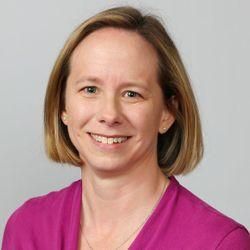
Dr. Rehder directs the cytogenetics and molecular diagnostics laboratories of the Duke University Health System. She currently serves on the COG Cytogenetics Committee and the editorial board of Genetics in Medicine, and co-chairs the ClinGen Lysosomal Diseases Expert Panel. Previously, she has served on the ACMG Laboratory Quality Assurance committee, including a term as committee chair; the ACMG board of directors, including a term as Treasurer; and the CAP/ACMG Cytogenetics Committee, including a term as Vice-Chair. In addition to her roles as laboratory director, lecturer, and active participant on several intramural and extramural committees, Dr. Rehder is an author on >80 peer-reviewed publications, review articles, and laboratory guidelines on a wide variety of cytogenetics and molecular genetics topics. Her primary areas of interest and publication include the reporting practices of genomic testing, Pompe disease and other glycogen storage diseases, as well as newborn screening and sequence variant interpretation.
-
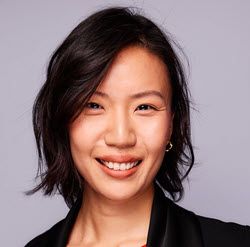 Dr. Yang is a Clinical Instructor at Stanford University and an ABMGG (LGG) certified clinical lab geneticist at the Stanford Healthcare Molecular Genomics Pathology and Cytogenetic Labs, where her work focuses on the interpretation of complex diagnostic tests for diagnosis of cancer and constitutional genetic conditions. Dr. Yang has an interest in data-driven approaches to optimize laboratory operations and development of tools for integration of multiomics data with the goal of improving precision oncology strategies.
 -
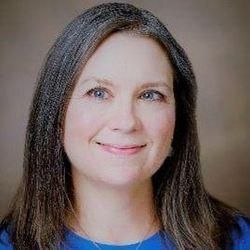
Dr. Wheeler is an ABMGG board-certified cytogeneticist and molecular geneticist with more than 14 years of experience working as a laboratory director in Clinical Cytogenetics, Molecular Diagnostics and Genomics. Dr. Wheeler started her career at Vanderbilt University Medical Center as Medical Director of Cytogenetics, with additional roles in the Molecular Diagnostics and Clinical Genomics Laboratories. She has extensive experience in all aspects of cytogenetics and genomics diagnostic testing, including clinical case review and sign out, test development/validation, and laboratory management. Dr. Wheeler has also been involved in teaching and training of undergraduates, medical students, graduate students, residents, and ABMGG fellows in both classroom and laboratory settings. In her current position, she is responsible for clinical test validation, and reporting of test results as well as oversight of the continuing education program.
-
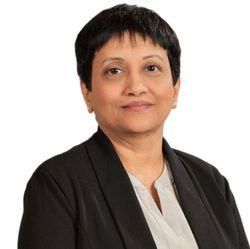 Dr. Madhuri Hegde, FACMG, is the SVP and Chief Scientific Officer of Revvity, responsible for setting the strategic scientific direction of the Company. As both a medical geneticist and American Board of Medical Genetics and Genomics (ABMGG) certified diplomat in clinical molecular genetics, Madhuri is also the head of Revvity Omics and its global network of laboratories offering innovative, omics-based services in more than 155 countries worldwide.
Madhuri is a passionate and perpetually curious leader whose team is committed to delivering cutting-edge products to Revvity customers, while keeping a close eye on innovation and bringing those developments to market. Madhuri is energized by bringing people and teams together to make a difference and harness science to positively impact human health.
Making the switch from academia to industry in 2016, Madhuri joined Revvity from Emory University in Atlanta, where she served as Executive Director of the Emory Genetics Laboratory and as a professor of human genetics and pediatrics. Before that, she spent several years at the Baylor College of Medicine where she was faculty in the Department of Human Genetics and Director at Baylor Medical Laboratories. She also served several years as a laboratory director at Auckland City Hospital in New Zealand.
Madhuri currently serves on the board and is an officer of the American College of Medical Genetics and Genomics Foundation (ACMGF) and leads the ACMG’s International Outreach and Engagement Committee. She is also a member of the ABMGG Board of Directors, serves on Coriell Cell Repositories NIGMS Human Genetic Cell Repository Scientific Advisory Committee, co-chairs ClinGen’s PTEN committee and is a member of the NHGRI ClinGen Hereditary Cancer Executive Committee. She is an adjunct professor of Pediatrics at Emory University School of Medicine and at Georgia Institute of Technology; has either authored or co-authored over 150 peer-reviewed publications and eight book chapters; and presented well over 100 keynote and other invited presentations at major national and international conferences.
Exposed to science and the field of genetics at an early age, Madhuri’s decision to pursue a career in this field was heavily influenced by academics and other scientists in her family. She was born and raised in India and earned her bachelor’s and master’s degrees in microbiology at the University of Mumbai. Madhuri also holds a PhD in applied biology and genetics from the University of Auckland and completed her postdoctoral studies and ABMGG certification at Baylor College of Medicine. -
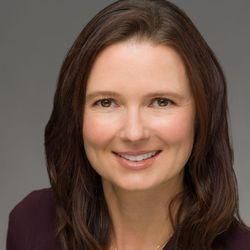
Dr. Hambuch is currently the VP of Laboratory Medical and Pathology at Exact Sciences. Her focus is on the integration and innovation of molecular test offerings across five laboratories and multiple tests. She entered the field of medical genetics in 2006, just as new technologies were beginning to transform the efficiency, sensitivity and accessibility of genetic testing. She spent two years at Ambry Genetics designing, validating and launching Sanger-based tests and then was recruited by Illumina, where she led a team that launched a CLIA certified, CAP accredited laboratory offering NGS based whole genome sequencing in 2009. In 2016, she joined Invitae, where she held the CLIA license for the San Francisco lab, directed the integration and launch of additional laboratories, and was a critical contributor to the 510k approval for a heritable cancer panel. Tina went to Quest in 2022, and then moved to Exact Sciences in 2024. Tina earned a BS in biology at UC Riverside, a PhD in population genetics at UC Berkeley, was a post doctoral fellow at the Centers for Disease Control, and an assistant professor at LMU in Munich, Germany. She is ABMGG board certified in clinical molecular genetics, and her medical genetics fellowship was at UCLA. She has served on numerous advisory and best practice committees, including ACMG, AMP, FDA, CLIAC, and Genome Canada and has over 35 publications in the field.
-
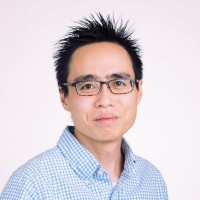
Dr. Yu Leng Phua is a clinical laboratory director at Natera, Inc., and is triple board-certified by the American Board of Medical Genetics and Genomics in Clinical Biochemical Genetics and Laboratory Genetics and Genomics (Molecular and Cytogenetics). Dr. Phua has extensive expertise in biochemical genetics testing for metabolic diagnosis and women’s health genetic testing, including noninvasive prenatal testing (NIPT), carrier screening, hereditary cancer testing, and products of conception testing. These advanced testing solutions empower clinicians and patients with actionable insights, supporting informed decision-making across genetic diagnosis and the full women’s health journey—from family planning and prenatal care to hereditary cancer risk assessment.
-
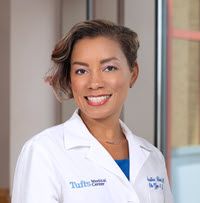 Dr. Dallas Reed is an Obstetrician/Gynecologist and Medical Geneticist at Tufts Medical Center.' She specializes in obstetrics, as well as prenatal, cancer, pediatrics, and adult genetics.' She is driven by a passion for genetics education, equity and inclusion, and the delivery of compassionate care to individuals and families facing pregnancy-related challenges and uncertainties surrounding genetic diagnoses.' Her commitment to education is evident through her extensive experience in instructing medical students, genetic counseling students, residents, fellows, physicians, and other medical professionals in prenatal, cancer, and clinical genetics topics. She leverages her expertise in genetics as a consultant, serving as the Principal Medical Advisor for Women's Health at Myriad Genetics, a member of the Clinical Advisory Board for Mirvie, and an expert witness.
-
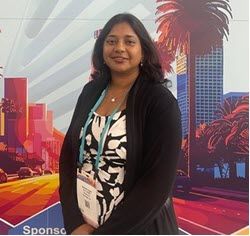
Dr. Akanchha Kesari is a board‑certified Clinical Molecular Geneticist and Laboratory Geneticist and Genomicist (LGG) accredited by the American Board of Medical Genetics and Genomics (ABMGG), with more than 20 years of experience in genomics and over 16 years in clinical laboratory leadership. She currently oversees and holds CAP/CLIA and NYS Department of Health licensure for whole‑genome‑sequencing–based diagnostic testing for rare Mendelian disorders and cardiovascular conditions at the Illumina Clinical Services Laboratory in San Diego, CA. She also provides clinical oversight for Illumina’s NIPT services in the Foster City, CA laboratory. Dr. Kesari has served in this role for the past five years.
Before joining Illumina, Dr. Kesari was the Clinical Laboratory Director for Global Laboratory Services at PerkinElmer Genomics. Prior to that, she served as Assistant Professor of Human Genetics at Emory University and Director of the Molecular Genetics Laboratory at the Emory Genetics Laboratory.
Dr. Kesari holds Clinical Laboratory Director licenses from the Departments of Health in New York, California, and Florida. She is an active member of multiple professional organizations, including the American College of Medical Genetics and Genomics (ACMG) and the American Society for Clinical Pathology (ASCP). She also serves as an expert contributor to several ClinVar working groups.
A specialist in next‑generation sequencing (NGS) for the diagnosis of human genetic disorders, Dr. Kesari has authored more than 50 peer‑reviewed publications in leading journals such as the American Journal of Medical Genetics, American Journal of Human Genetics, and Annals of Neurology. Prior to her work in clinical diagnostic laboratories, she spent extensive time in research at Children’s National Medical Center and the National Institutes of Health, where she completed her ABMGG fellowship.
-
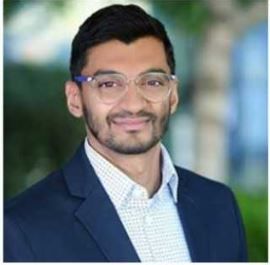
Dr. Avinash V. Dharmadhikari is board certified in Laboratory Genetics and Genomics (LGG) by the American Board of Medical Genetics and Genomics (ABMGG) and serves as Assistant Director in the Center for Personalized Medicine at Children’s Hospital Los Angeles. He specializes in the interpretation of complex molecular and cytogenomic data. His research focuses on identifying clinically relevant structural and molecular variants underlying genetically heterogeneous neurodevelopmental disorders and on advancing the use of next-generation sequencing technologies to detect genetic causes of disorders of somatic mosaicism.
Dr. Dharmadhikari is a member of the ClinGen Intellectual Disability/Autism Spectrum Disorder and Prenatal Gene Curation Expert Panels (GCEPs), and the American Society of Human Genetics (ASHG) Digital Learning Committee. He serves on the editorial boards of the Journal of Molecular Diagnostics and BMC Medical Genomics. He co-chairs the ACMG/Cancer Genomics Consortium (CGC) working group on vascular anomalies and somatic overgrowth, the ClinGen GCEP on somatic mosaicism of vascular anomalies, and the CGC Early Career Initiative Committee.
-
 Dr. Nallamilli is a laboratory director of clinical molecular genetics at the Revvity Omics. Dr. Nallamilli specializes in clinical case sign-out, new test development and validations in the field of clinical molecular genetics with over 12 years of experience. His clinical research has focused on understanding the clinical and genetic basis of neuromuscular disorders including Duchenne muscular dystrophy and limb girdle muscular dystrophies. Dr. Nallamilli is also the lead R&D director of the clinical molecular genetics division at Revvity Omics.
 -
Eric Bend, PhD, FACMG is a clinical molecular geneticist, currently serving as Director of Clinical Curation and Reporting at PreventionGenetics, part of Exact Sciences.
Dr. Bend earned a PhD in Neuroscience from the University of Utah and completed his molecular fellowship training at Greenwood Genetic Center. Eric’s clinical and scientific interests include neurodevelopmental disorders, epilepsy, whole exome and whole genome sequencing.
At PreventionGenetics, Dr. Bend oversees the clinical curation and sign-out teams. Eric is excited about maximizing operational quality and efficiencies, while cultivating an engaged mission-focused team.
-
Jill is a licensed and certified genetic counselor who currently serves as the Principal Medical Writer at Labcorp. Jill has 18 years of diverse experience in the field of genetics/genomics. She started her career in clinical medicine as a prenatal genetic counselor in a high-volume MFM office. After 8 years, she joined Sequenom/Labcorp and worked as a Medical Science Liaison in Women’s Health and Genetics for five years. She then took a professional detour and worked as the Director of Scientific Communications at PetDx, a veterinary biotech startup offering next-generation sequencing-based liquid biopsy for cancer detection in dogs. Following this endeavor, in 2024, she returned to Labcorp, where she currently serves as the Principal Medical Writer, reporting to the Chief Scientific Officer. Jill is also an adjunct professor for the Kean University Genetic Counseling Graduate School Program. Over the past decade, Jill has contributed to over 60 abstracts that were delivered as posters and/or oral presentations at scientific conferences, and has authored/co-authored 17 peer-reviewed publications in scientific journals, including a first author publication that was selected as an Editor’s Featured Article in Genetics in Medicine, and a first author publication in PLOS One that became the subject of a variety of syndicated articles appearing in Newsweek and Scientific American, among others.
-
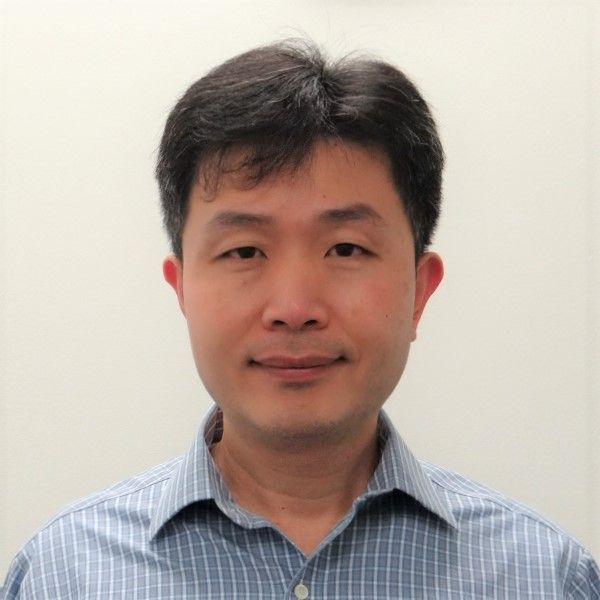
Dr. Meng-Chang Hsiao is an Assistant Professor and Associate Medical Director of Cytogenetics and Molecular Diagnostics at Vanderbilt University Medical Center, where he specializes in the diagnostic evaluation of germline disorders, solid tumors, and hematological malignancies. As a board-certified laboratory geneticist, Dr. Hsiao bridges the gap between complex genomic research and clinical application, focusing on elucidating disease mechanisms to develop pioneering diagnostic techniques. His work is dedicated to advancing the field of medical genetics by translating cutting-edge scientific discoveries into actionable insights that enhance patient care and the long-term management of genetic disorders.
-
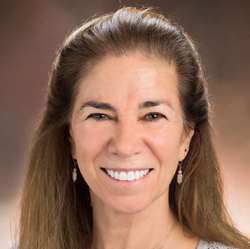
Dr. Spinner is a Professor of Pathology and Laboratory Medicine at The University of Pennsylvania School of Medicine and (Founding) Chief, of the Division of Genomic Diagnostics at The Children’s Hospital of Philadelphia. She is Board Certified in Clinical Cytogenetics and PhD Medical Genetics, and her practice has focused on clinical, educational and research aspects of Medical Genetics. She is a past Director of the Fellowship Program at CHOP in Cytogenetics and the first Director when it transitioned from separate Cytogenetics and Molecular Training to the Laboratory Genetics and Genomics model currently in place. She has broad research interests in the evolution of genomic testing, and her research is focused on the genetics and diagnosis of rare pediatric disorders, specifically on the genomics of Alagille syndrome, biliary atresia, ring chromosomes, and the utilization of rapid testing in the NICU. Her work focuses on improving diagnostics and understanding and reducing uncertainty. She has served on multiple National Committees including the Board of Directors of the American Society of Human Genetics and currently chairs the American College of Medical Genetics Economics of Genetic Services Committee.
-
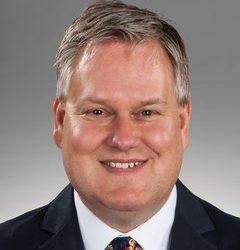
Robert Pyatt is a clinical scientist, educator, and researcher, and currently serves as a laboratory director in Women’s Health and Genetics with Laboratory Corporation of America (LabCorp). Dr. Pyatt is an award-winning educator who has previously held academic positions at Ohio State University, the University of South Dakota, and Kean University. His passion for education extends beyond the formal classroom including organizing science pubs and science festivals, and serving as a science communicator at events like the Edinburgh International Science Festival in Scotland. Dr. Pyatt’s research, which is focused on understanding the role of genetics in disease and the development of clinical genetic tests, has been featured in articles online at Forbes and Discover Magazine.
-
Dr. Cheng is a laboratory geneticist at the Mayo Clinic Florida. Dr. Cheng’s practice focuses on clinical molecular genetics and cytogenetics in sporadic cancers. He has an extensive track record in developing and implementing molecular assays for disease diagnosis and prognosis. His research and clinical interests focus on integrating molecular and cytogenomic technologies to establish highly accurate, cost-effective workflows that address the needs of patient care. Prior to joining Mayo Clinic, Dr. Cheng held positions at Cleveland Clinic for over 12 years.
-
Dr. Chandra is a neurogeneticist, currently an Assistant Professor with the Division of Medical Genetics and Genomics at the University of Iowa. He is an adult neurologist, internist, and a medical geneticist, with the expertise to study the natural history of complex neurogenetic and rare diseases. His research focus is on understanding complex and ultra-rare disorders using deep phenotyping, multiomics, stem cells and organoid-based disease modeling. He is the director of the Iowa Undiagnosed Diseases Program, which leverages a hybrid clinical and research-based model to care for individuals with undiagnosed rare and complex diseases across their lifespan.
-
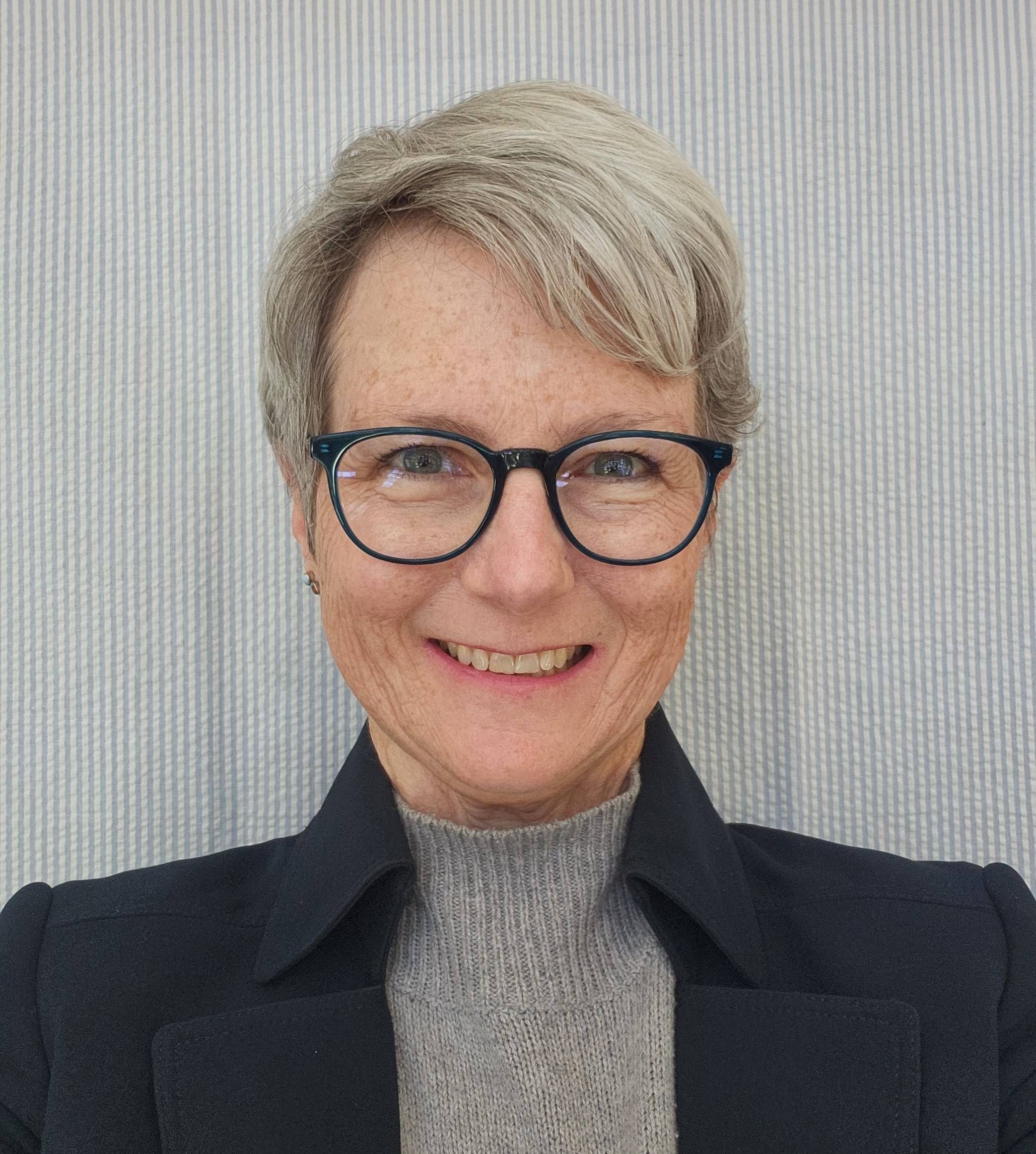
Dr. Lyon is an experienced clinical geneticist and pediatrician at Boston Children's Hospital. She has expertise in pediatric genetics, cardiac genetics, and obesity genetics. She is a clinician educator in the Harvard Medical School Genetics Training Program. She is involved in a Prader Willi Syndrome Program formed at Boston Children’s Hospital with the Division of Endocrinology. She is the Director of the Program in Clinical Genetics, helping the division create new clinical programs and methods. Her most recent research was an evaluation of Disparities in Genetic Test Results. Her previous research was in GWAS studies of obesity and diabetes. She has presented on these topics at the ACMG, ASHG, SPR and internationally. She has a master’s in Genetic Epidemiology. She has practiced genetics and primary care pediatrics in small departments, private practices and large academic institutions, and offers a broad view of clinical practice settings.
-
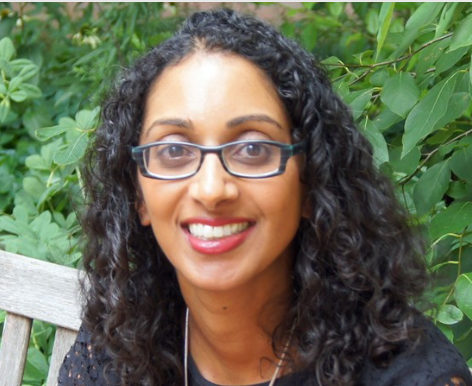
Dr. Vora is triple-boarded in Obstetrics and Gynecology, Maternal Fetal Medicine, and Clinical Genetics. She completed her residency and fellowship at Tufts Medical Center in Boston, MA and moved to UNC-Chapel Hill in 2012. She is now Professor of Ob/Gyn and Director of Reproductive Genetics at UNC-CH. Dr. Vora has an R01 from NICHD to study novel genes critical to human brain development with functional modeling in a zebrafish model. She has been a co-investigator on a multicenter prenatal whole genome sequencing grant and co-investigator on a grant regarding how patients prepare for a prenatal diagnosis of a genetic condition.
She has authored more than 100 articles on prenatal genetics, ranging from cell free DNA to whole exome and genome sequencing.
-
Dr. Anne Chun-Hui Tsai is a professor and head of biochemical genetics at University of Illinois Chicago. She is board certified in pediatrics, medical genetics and genomics and Clinical biochemical genetics. Her clinical interests include inborn errors of metabolism, dysmorphology, clinical trial and fundamental biology。 She was a professor at University of Colorado and endowed chair at University of Oklahoma, where she was also the director of NORD COE. Dr. Tsai's research interests include rare diseases, neuroinflammation, and innovate treatment of IEM. She was involved in the development and clinical trials of GLP-2 and Myozyme.
-
Dr. Sharer is a clinical biochemical geneticist at UAB. He specializes in the laboratory diagnosis of inherited metabolic disorders via application of targeted metabolomics technologies. Dr. Sharer is the Director of the UAB Clinical Biochemical Genetics fellowship training program, Director of the Department of Genetics Research Division, and is President-elect of the Southeastern Regional Genetics Group (SERGG). He is also a former member of the ABMGG Board of Directors and the ACGME Medical Genetics Residency Review Committee.
-
Dr. Taraka Donti is the Director of Laboratory Services at Revvity Omics Inc. in Pittsburgh, Pennsylvania. Dr. Donti specializes in clinical laboratory operations, with expertise in quality management, regulatory compliance, and the implementation of advanced diagnostic technologies. Professional interests include improving laboratory efficiency, supporting high-quality patient care through accurate and timely testing, and advancing translational diagnostics from research into clinical practice. Dr. Donti has extensive experience in laboratory validation, assay implementation, and cross‑functional collaboration, and is committed to mentoring laboratory professionals and fostering a culture of excellence, innovation, and continuous improvement.
-
Dr. Jeffrey N. Weitzel is Professor and Director, Division of Precision Prevention at the Kansas University Comprehensive Cancer Center, and an honorary Professor of Oncology for the Latin American School of Oncology. Board Certified in Medical Oncology and Clinical Genetics, he has been pioneering the implementation of genetics and genomics in clinical care, addressing disparities in access locally and globally, and harnessing technical advances to conduct innovative translational research spanning the bench, the bedside, rare diseases, and diverse populations. A Breast Cancer Research Foundation Scholar, he was awarded the Conquer Cancer Research Professorship in Breast Cancer Disparities at ASCO 2020. Dr. Weitzel’s research experience bridges the era from positional cloning to the realization of whole genome sequencing. He built world class programs in clinical cancer genomics and related education and research over two decades at City of Hope, and also founded the Clinical Cancer Genomics Community Research Network. His collective and interconnected contributions to human genetics education merited the 2019 American Society of Human Genetics Award for Human Genetics Education. One overarching theme for his work is precision prevention and implementation science addressing disparities in access to this lifesaving science.
-
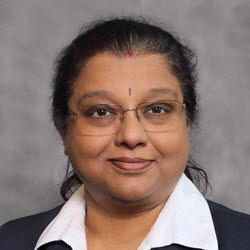 Dr. Reddi currently serves as the Chief Laboratory Officer for Belay Diagnostics. Prior to her current position, Dr. Reddi was a Professor and Chief of the Division of Clinical Genomics at the Medical College of Wisconsin. With a background in biotechnology and specialized training in Clinical Molecular Genetics from the Mayo Clinic, where she also led a translational research program on thyroid cancer, Dr. Reddi had been recognized for her outstanding contributions to the field. She received the 2023 Outstanding Graduate Educator award for her contributions as faculty and course director to the MS in Precision Medicine at MCW and the 2018 "Women of Innovation Award" for her leadership in bioscience and technology from the Connecticut Technology Council. Dr. Reddi is passionate about mentoring the next generation of laboratory geneticists.
-
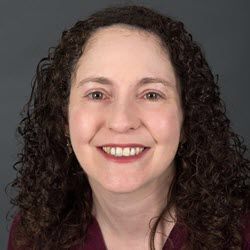 Dr. Amy Kritzer is the Clinical Chief of the Division of Genetics and Genomics at Boston Children’s Hospital and the Director of the Metabolism Clinical Program. Her clinical work is focused on the care of children and adults with rare metabolic disorders. She also serves as the Director of Patient Safety and Quality in the Division of Genetics. In this role, she creates and implements patient care initiatives designed to improve patient safety and patient and family experience. Her work is dedicated to addressing the psychosocial needs of patients with rare diseases with a focus on improving quality of life.
 -
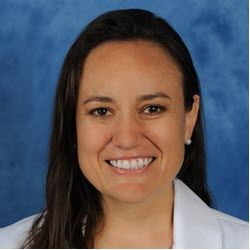
Dr. Ana Maria Rodriguez Barreto is a pediatric geneticist with the Division of Genetics and Metabolism at Nicklaus Children’s Hospital in Miami, focusing on clinical genetics and cancer genetics. As an advocate of rare diseases, she’s a member of the “Framework to assess impacts associated with diagnosis, treatment, support, and community integration” Task Force by the International Rare Diseases Research Consortium (IRDiRC). Dr. Rodiguez collaborates with the Beckwith-Wiedemann Children’s Foundation International working with families and individuals with Beckwith Wiedemann Syndrome from around the world and she also runs the Prader Willy Syndrome Clinic at Nicklaus Children Hospital. Her research is mainly focused on rare diseases and monogenic cancer predisposition syndromes.
-
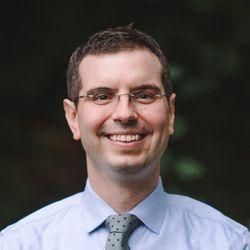
Andrew Stergachis is an Associate Professor of Medicine and Genome Sciences at the University of Washington, where his research focuses on how alterations in the non-coding genome impact human health and disease, with a specific focus on rare non-coding variants that cause Mendelian conditions. To address this question, his laboratory develops and applies single-molecule chromatin fiber sequencing approaches to unravel the functional impact of non-coding genetic and epigenetic variants. In addition, he is an attending in the Medical Genetics clinic where he works with individuals with rare diseases.
-
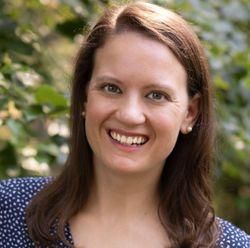
Dr Anna Hurst is a pediatric geneticist at the University of Alabama at Birmingham and the Smith Family Clinic for Genomic Medicine in Huntsville, Alabama. Dr. Hurst is a clinician for the UAB Undiagnosed Disease Program, Turner syndrome clinic, and general genetics clinic, and she provides metabolic and general genetic hospital consultations for inpatients at UAB and Children's of Alabama. Her interests focus on expanding the availability of genomic sequencing for children with complex healthcare needs and the combination of dysmorphology and clinical phenotyping with genomic analysis. Dr Hurst is also passionate about education, serving as the Program Director of the UAB Genetics Residency programs and Medical Director of the UAB Genetic Counseling Training Program. She is President of the national Association of Professors in Human Medical Genetics organization.
-
Dr. Korf is the former Chair of the Department of Genetics, Associate Dean for Genomic Medicine, UAB Heersink School of Medicine; Chief Genomics Officer, UAB Medicine, and Wayne H. and Sara Crews Finley Endowed Chair in Medical Genetics. He is currently Distinguished Professor Emeritus of Genetics. His major research interests are the diagnosis and treatment of neurofibromatosis, use of genome sequencing in diagnosis of rare disorders, and application of genomic approaches in population health. He is past president of ACMG and of the ACMG Foundation.
-
Dr. Kapalanga's current scholarly and research pursuits are in the epigenetics of neurodevelopmental disorders. He has observed that a certain behavioral endophenotype characterized by impaired executive function, emotional regulation, cognition learning and social adaptation is shared by certain neurodevelopmental disorders including attention deficit hyperactivity' disorder, autism spectrum disorder, fetal alcohol spectrum disorder and fragile X syndrome. He is currently exploring the underlying shared molecular mechanisms that could explain the shared behavioral endophenotype. He has published and presented his research at international conferences over the past ten years.
-
Dr. Berg is a clinical geneticist and physician scientist at the University of North Carolina at Chapel Hill. He was active in clinical care in the area of cancer and adult genetics for 15 years and has now transitioned to broader roles at UNC, leading the Program for Precision Medicine in Health Care and recently taking a position within the UNC Health System where he will contribute to system-wide quality improvement and care redesign efforts related to genomic medicine.
-
Kara Pappas is a clinical and biochemical geneticist. She attended medical school at Wayne State University School of Medicine in Detroit, MI. She went on to pursue a pediatric residency at the Los Angeles County - University of Southern California program. She then completed her clinical genetics residency and medical biochemical fellowship at the Detroit Medical Center. In the past she worked at a children's hospital primarily in pediatric and biochemical genetics with an emphasis in newborn screening. She currently works as a clinical geneticist at Henry Ford Health in Detroit, MI seeing patients in cancer genetics, prenatal genetics, and adult genetics. She has an interest in education and is on faculty at Wayne State University; she teaches in both the medical school and the genetic counseling program.
-
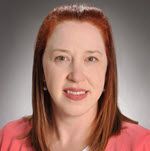 Dr. Kelly Jones is a clinical geneticist at Arkansas Children's Hospital/University of Arkansas for Medical Sciences, focusing on genetic disorders that result in developmental delay, congenital malformations and autism spectrum disorders.' She is also a member of a craniofacial multidisciplinary team at Arkansas Children's Hospital and has published research on Turner syndrome and genetic syndromes in diverse populations.'
 -
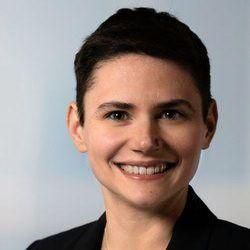
Dr. Deshotel is a research and development scientist at ARUP Laboratories in Salt Lake City, Utah. She specializes in developing and validating clinical assays for germline disease diagnostics. She has experience in a broad range of instruments for detecting germline variants including Illumina NovaSeq X, PacBio Sequel IIe, Oxford Nanopore Technologies GridION, and Bio-Rad droplet digital PCR (ddPCR). Her work also involves collaborating with medical directors and publishing unique variant analyses. In addition, she is an active member of the corporate Safety Committee, leader of the ARUP Cycling Club, and proud parent of a kindergartener.
-
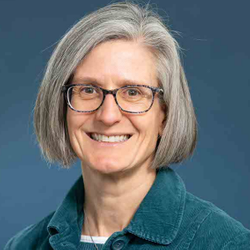
Mary-Alice Abbott MD PhD has been practicing in the field of Medical Genetics since 2005, recruited to Baystate Medical Center as its first pediatric geneticist, where she continues to practice clinically and is the division chief. Hers is a small practice that delivers high quality general genetics care to patients and families in Western Massachusetts. Her clinical interests are in the areas of dysmorphology and genetic therapeutics with expertise in lysosomal storage diseases; she is on the North American Board of Advisors for the Pompe Rare Disease Registry. She has recent focus in the area of genetic therapeutics, which has included work as a clinical consultant and treating physician within the gene therapy program at UMass Chan Medical School.
-
Dr. Rajarshi Ghosh is a board-certified Clinical Molecular Geneticist in the Centralized Sequencing Program at NIAID, NIH. His work focuses on clinical genome and exome sequencing for patients with inborn errors of immunity and immune dysregulation. His primary interests include variant interpretation, mosaic variant detection, gene discovery, and integrating emerging genomic technologies into clinical diagnostics. Dr. Ghosh has contributed to national standards development through ClinGen, serving on the SCID Variant Curation Expert Panel and the Variant Classification Working Group. He also serves on the ACMG Annual Meeting Program Committee. He enjoys mentoring trainees and early-career geneticists interested in laboratory genetics, translational genomics, and careers at the interface of research and clinical diagnostics.
-
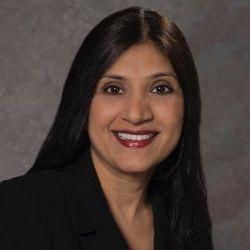
Suma Shankar MD, PhD, FRCS, MRCOphth is a Professor in the Departments of Pediatrics and Ophthalmology and is Chief of Genomic Medicine at University of California Davis. She serves as the Director of Precision Genomic Program and Ocular Genomics clinic at UC Davis and holds the Albert Rowe Endowed Chair of Genetics II. She sees patients with a wide range of genetic disorders with special interest and expertise in Ophthalmic Genetic disorders, RASopathies and Nonverbal ASD and NDDs. The Genomic Medicine team provide comprehensive clinical genetics services including facilitation of whole genome sequencing, genetic counseling, and management of genetic disorders. She directs the Precision Genomics program for clinical translational research collaborating with Mouse Biology Program, Stem cell research program, Clinical and bioinformatics programs and psychology and autism phenome program at UC Davis. She serves as section editor for Genetics in Medicine journal, and is president elect for Western American Federation of Medical Research.
-
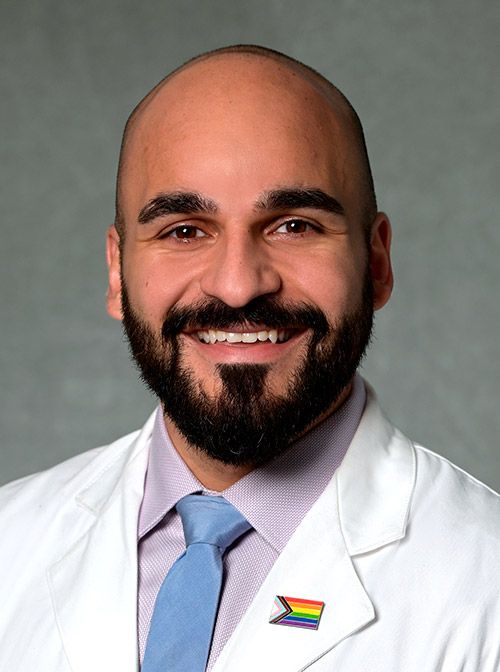 Teddy Drivas, MD, PhD is a Physician-Scientist and Clinical Geneticist at the University of Pennsylvania, where he is an Assistant Professor of Medicine in the Division of Translational Medicine and Human Genetics and the Assistant Director of Scientific Outreach for the Penn Medicine BioBank. Board-certified in both Internal Medicine and Clinical Genetics and Genomics, Teddy splits his time 80/20 between research and clinical care. In the clinic, he focuses on the genetic evaluation of adults with known or suspected genetic conditions and is a dedicated advocate for expanding access to genetic testing in adult populations and combating disparities in genetic medicine. His research bridges computational and wet-lab approaches, using graph theory and large-scale informatic analyses to identify genetic pathways that converge on fundamental cellular processes, with a particular focus on the primary cilium and its involvement in both rare syndromic and common complex disease. On the translational side, his work aims to improve the implementation and effectiveness of genetic testing in adult populations. As a member of the LGBTQ+ community, Teddy is committed to fostering an inclusive environment in genetics and genomics. He looks forward to connecting with trainees about applying genetics to the adult population, physician-scientist pathways, and mentorship and identity in the genetics and genomics space.
-
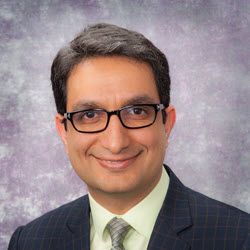 Mahmoud Aarabi MD, PhD, MBA, is an Associate Professor of Pathology and Obstetrics, Gynecology, and Reproductive Sciences at the University of Pittsburgh School of Medicine, and the Medical Director of UPMC Cytogenetics Laboratories. Dr. Aarabi is the current Chair of the Committee on Ethical, Legal and Social Issues (ELSI) at the American College of Medical Genetics and Genomics (ACMG), and co-author of the ACMG guidelines on reproductive carrier screening. He is known for his studies on the burden of carriers for genetic conditions in over 900,000 genomes and exomes from different populations in an effort to recommend the best approach for pan-ethnic carrier screening prior to or during pregnancy
 -
Dr. Ryall is a Laboratory Genetics and Genomics (LGG)-certified geneticist at Brigham and Women’s Hospital in Boston, Massachusetts where he works as a laboratory director at the Center for Advanced Molecular Diagnostics in both the cytogenetics and molecular labs. Dr. Ryall specializes in oncology, specifically in hematologic and central nervous system cancers, where he aims to understand the neoplasms’ genetic underpinnings and resultant clinical implications. His other branch of research focusses on the evaluation of new genetic testing modalities and their implementation into clinical lab workflows. As a recent graduate of the LGG fellowship, Dr. Ryall can provide insights into navigating your early career as a laboratory geneticist and looks forward to meeting with you.
-
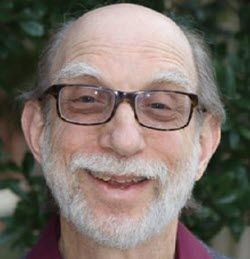
Dr. Schwartz has published over 180 peer reviewed journal articles and 24 invited chapters. He is a past president of the American Board of Medical Genetics and more recently on the Board and a past president of the Cancer Cytogenomics Consortium. He is also a former Cytogenetics section editor for both the American Journal of Medical Genetics and for Genetics in Medicine and has been a reviewer for numerous journals. He was honored as the 2018 recipient of the American Cytogenetics Conference Distinguished Cytogeneticist Award.
Dr. Schwartz has extensive experience in cytogenetics, FISH and microarray analysis and has been instrumental in the development of the microarray studies at CMBP involving postnatal, prenatal, products of conceptions and oncology specimens. Most of his more recent work involves implementation and improvement of microarray analysis in the clinical laboratory. Over the course of his career he has been responsible for the training of over 25 students and postdocs mostly in clinical cytogenetics and molecular cytogenetics
-
Dr. Wechsler is an expert in cardiovascular genetics. She is faculty member in Pediatric Cardiology and Medical Genetics at Children’s Healthcare of Atlanta and Emory School of Medicine in Atlanta, GA. Her clinical and research interests are in cardiovascular genetics, particularly in genetic causes of congenital heart disease and genetic conditions that affect the heart and/or include a cardiac phenotype. Early in her career, she was the recipient of a K08 award that funded basic research in cardiac development. She then transitioned to clinical research in cardiac genetics, participating in multicenter clinical trials including the NIH-sponsored Pediatric Heart Network Marfan Trial, the Cytogenomics of Cardiovascular Malformations Consortium as well as industry-sponsored trials in Duchenne Muscular Dystrophy. Dr. Wechsler also has expertise in medical education, serving as the Fellowship Program Director for Pediatric Cardiology at Duke University School of Medicine from 1998-2017, and most recently as the Medical Director for the Emory School of Medicine Genetic Counseling Training Program from 2019-2022.
-
Anna Cantor is the Program Director of Genetics Education at NYU Grossman School of Medicine’s Center for Human Genetics and Genomics and co-director of the innovative Genome Health Analysis Master’s program, which prepares the next generation of clinical genomic professionals. A board-certified genetic counselor with expertise in cancer and immunogenetics, she founded the cancer genetics clinic and genetic counseling internship program at NYU Langone Health’s Perlmutter Cancer Center. Her academic work now spans graduate and medical education, professional training, and institutional initiatives. She holds an MS in Human Genetics from Sarah Lawrence College, an MA in Behavioral Neuroscience from the University of British Columbia, and a BA (Hons) in Psychology from Concordia University in Montreal.
-
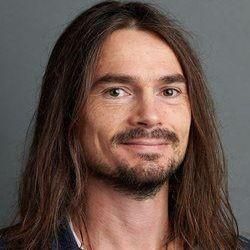
Casey Brewer, PhD, FACMG, is an Assistant Professor at the University of Cincinnati and Co‑Director of the Genetics and Genomics Diagnostic Laboratory at Cincinnati Children’s Hospital. His clinical expertise includes genome sequencing, chromosomal microarray analysis, optical genome mapping, and cancer cytogenetics. Dr. Brewer has presented at ACMG Annual Meetings in 2023 (Salt Lake City), 2025 (Los Angeles), and 2026 (Baltimore). He also contributes to the Cancer Genomics Consortium (CGC), for which he served as a Junior Member of the Board of Directors from 2023–2025. He is passionate about teaching and mentorship and contributes to trainee development through his role on the LGG Fellowship Committee at Cincinnati Children’s. Outside the lab, he enjoys biking and playing the drums.
-
Dr. Han is an ABMGG certified clinical laboratory director in the clinical sequencing lab of the New York Genome Center. Dr. Han specializes in analyzing whole genome sequence data to identify pathogenic variants in individuals suspected of having rare genetic disorders. His research career has focused on elucidating the molecular mechanisms of pathogenic variants associated with monogenic disorders with the goal of returning more accurate results to patients and their families. Dr. Han has continued this work in a clinical setting by applying genome and transcriptome sequencing to increase the diagnostic yield for patients with rare genetic conditions and to understand how new genomics technologies can be brought into molecular diagnostics.
-
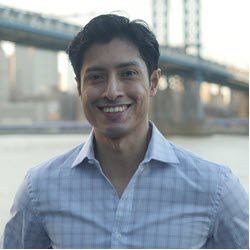 Dr. Corado is a medical biochemical geneticist and faculty at the Clinical Genetics Division, Columbia University. He has various clinical and research interests including inherited neurometabolic disorders, neurogenetic and bone disorders. He has a strong interest in education and professional development as exemplified with his participation in various committees within ACMG and NORD; and by his appointment as Associate Program Director for the Clinical Genetics Programs at Columbia Universit
-
Specialty/Interests: Genome Sequencing, Biochemical Genetics, Newborn Screening, Newborn Sequencing, Prenatal Genetics, Molecular Diagnostics for Undiagnosed Disease
with specific interest in pediatric, neonatal, and prenatal genetics
Dr. Thomas-Wilson is a laboratory geneticist with Board Certification in both Clinical Biochemical Genetics and Laboratory Genetics and Genomics. She specializes in genome
sequencing for diagnosis in prenatal and pediatric settings, biochemical genetics, and rapid genome sequencing, and has specific interests in newborn screening and newborn
sequencing. Dr. Thomas-Wilson is also actively involved in the Clinical Genome Resource (ClinGen) where she serves as co-chair of the Cerebral Creatine Deficiencies Variant
Expert Curation Panel, chair of the Urea Cycle Disorders Variant Curation Expert Panel, and as a biocurator for the Prenatal Gene Curation Expert Panel; and is currently serving as a
member of the ACMG Therapeutics Committee. -
Dr. Avinash V. Dharmadhikari is board certified in Laboratory Genetics and Genomics (LGG) by the American Board of Medical Genetics and Genomics (ABMGG) and serves as Assistant Director in the Center for Personalized Medicine at Children’s Hospital Los Angeles. He specializes in the interpretation of complex molecular and cytogenomic data. His research focuses on identifying clinically relevant structural and molecular variants underlying genetically heterogeneous neurodevelopmental disorders and on advancing the use of next-generation sequencing technologies to detect genetic causes of disorders of somatic mosaicism.
Dr. Dharmadhikari is a member of the ClinGen Intellectual Disability/Autism Spectrum Disorder and Prenatal Gene Curation Expert Panels (GCEPs), and the American Society of Human Genetics (ASHG) Digital Learning Committee. He serves on the editorial boards of the Journal of Molecular Diagnostics and BMC Medical Genomics. He co-chairs the ACMG/Cancer Genomics Consortium (CGC) working group on vascular anomalies and somatic overgrowth, the ClinGen GCEP on somatic mosaicism of vascular anomalies, and the CGC Early Career Initiative Committee.
-
Dr. Nallamilli is a laboratory director of clinical molecular genetics at the Revvity Omics. Dr. Nallamilli specializes in clinical case sign-out, new test development and validations in the field of clinical molecular genetics with over 12 years of experience. His clinical research has focused on understanding the clinical and genetic basis of neuromuscular disorders including Duchenne muscular dystrophy and limb girdle muscular dystrophies. Dr. Nallamilli is also the lead R&D director of the clinical molecular genetics division at Revvity Omics.
-
Harry Ostrer, M.D., F.A.C.M.G. is Professor of Pathology and Pediatrics at Albert Einstein College of Medicine in New York. For 21 years, he was the director of the Human Genetics Program at New York University School of Medicine and for 5 years, he was the director of genetic and genomic testing at Montefiore Medical Center. At Einstein, Dr. Ostrer studies the genetic basis for common and rare disorders and develops new genomic technologies. He is also a long-time investigator of the genetics of the Jewish people and Hispanic and Latino people. In 2007, he organized the Jewish HapMap Project, a remarkable international effort to understand origins, migration, and disease predispositions by mapping and sequencing the genomes of Jewish people. At Morgan and Mendel Genomics, his start-up, he advises about translating the findings of novel functional genomic discoveries into tests that can be used to identify people’s risks for having cancer prior to its occurrence or for predicting its response to therapy, once it has occurred. He has also served as a scientific advisor to the start-ups, eMedgene and iGentify.
In 2013, Dr. Ostrer was the successful plaintiff with standing in the landmark lawsuit, Association of Molecular Pathology versus Myriad Genetics. As a grantee from the National Human Genome Research Institute, he explored the impact of genetic testing on health, life and disability insurance. These studies led to his efforts as a member of the New York State Bar Association to pass and implement legislation that would prevent genetic discrimination in insurance, employment, and public accommodations as well as promoting informed consent for genetic testing in New York State. He is the incoming President-Elect of the American College of Medical Genetics Foundation, a member of the Government and Public Advocacy Committee of the American Society of Human Genetics, and a member of the New York State Rare Disease Advisory Council.
-
Heidi Rehm is an investigator in the Center for Genomic Medicine working to integrate genomics into medical practice. She is a board-certified laboratory geneticist at Broad Clinical Labs guiding genomic testing in medical practice. She is a principal investigator of ClinGen and gnomAD, providing resources to support the interpretation of genes and variants. She co-leads the Broad Center for Mendelian Genomics and the Matchmaker Exchange focused on discovering causes of rare disease. She is a strong advocate and pioneer of open science and data sharing, working to extend these approaches as chair of the Global Alliance for Genomics and Health
-
Dr. Mao is an ABMGG board certified molecular geneticist at University of Utah and ARUP Laboratories.' 'Dr. Mao specializes in diagnosis of the patients with genetic conditions, exome sequencing in the patients for diagnostic odyssey and whole genome sequencing in the critical illness neonates. Her research interests include the genotype-phenotype correlations in inborn errors of metabolism and genetic diseases in the RAS/MAPK pathway, and she is involved with implementing Next-Generation Sequencing (NGS) techniques into molecular diagnostics. Dr. Mao is also the Co-director of Laboratory Genetics and Genomics (LGG) fellowship at University of Utah.
-
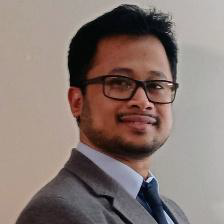 Dr. Subit Barua is a laboratory director at West Virigina University, School of Medicine specializing in diagnostic genetic testing, genomic data interpretation, and the identification of molecular variants associated with inherited and acquired disorders. His work focuses on utilizing advanced technologies such as next-generation sequencing, whole exome sequencing, and cytogenetic microarray analysis to support precision medicine and guide individualized patient care. In collaboration with hospital administration, Dr. Barua has played a key role in laboratory development and expansion efforts, including strategic planning, infrastructure implementation, and enhancement of genomic testing services.
He is also actively involved in resident and fellow teaching, providing didactic lectures, case-based learning sessions, and hands-on training in molecular diagnostics and genomic test interpretation, while mentoring trainees in translational research, research methodology, laboratory quality assurance, and the ethical considerations of genetic testing. His research centers on the role of genomic profiling in improving diagnostic accuracy, identifying pathogenic variants linked to germline, hematologic, and oncologic conditions, and evaluating how specific genetic alterations influence patient management, treatment response, and long-term outcomes; he has additionally contributed to studies examining genotype–phenotype correlations and the clinical utility of integrating genomic data into routine laboratory workflows -
Dr. Youbao Sha is a board-certified in Clinical Molecular Genetics and Genomics and cytogenetics and genomics. Dr. Sha is a Laboratory Director at Natera, where he oversees high-complexity clinical genetic testing with a focus on reproductive, prenatal, and hereditary cancer diagnostics. He has extensive expertise in germline testing, whole-exome sequencing, RNA-based variant interpretation, cell-free DNA testing, and preimplantation genetic testing. His research interests include integrating RNA and DNA sequencing to refine variant classification, advancing paired tumor–germline testing strategies, and improving diagnostic yield in prenatal and reproductive genetics. Dr. Sha has authored many peer-reviewed publications spanning clinical genomics, cancer genetics, and molecular mechanisms of disease, and he is actively involved in laboratory quality assurance, assay development, and mentoring early-career geneticists.
-
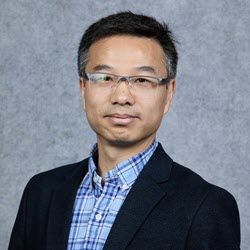
Dr. Yulong Fu is an Assistant Professor in the Department of Pathology and Laboratory Medicine at Indiana University, where he leads the Molecular Pathology Division. His division provides molecular testing for solid tumors, hematologic malignancies, infectious diseases, and selected genetic disorders. Dr. Fu has extensive experience in validating and managing Next Generation Sequencing (NGS) assays. Under his leadership, the laboratory has launched several NGS-based tests for tumor profiling, including a comprehensive genomic panel for hematologic cancers. Before joining Indiana University, Dr. Fu served as Director of the Medical Genomics Laboratory at the University of Alabama at Birmingham, where he oversaw genetic testing for Neurofibromatosis type I and other rare diseases.
-
Andrea Gropman, M.D. is a neurogeneticist and international expert in Urea cycle disorders (UCD), Smith Magenis syndrome (SMS), X and Y chromosome aneuploidies, and mitochondrial disorders.' Her research has focused on 1) multimodal imaging in urea cycle disorders and other neurogenetic conditions to establish neural biomarkers of connectivity and brain injury; 2) sleep disorders and cognitive phenotype in SMS; 3) cognitive and neurological aspects of X and Y chromosome disorders; and 4)functional mitochondrial studies and therapeutics. She has presented her work at both national and international conferences in neurology, genetics, and metabolism. She serves on the neurotherapeutics committee of ACMG, community education outreach (PEAK) at ASHG, American Brain Coalition as the designated representative from the Child Neurology Society, the education committee of SIMD, the annual program committee of the American neurological society, past chair of the Neurogenetics Special interest group at ANA, and the chair of neurogenetics at Child Neurology society.' She is the principal investigator of the urea cycle rare disease consortium.' For the past 25 years she was the division chief of neurogenetics, a division she created, served as NDD fellowship director, director of clinical translational research and interim director of the genetic medicine center. In October 2024, she moved to St Jude to build a neurometabolic translational research program and a neurogenetics/neurotherapeutics fellowship program.
-
Dr. Chandra is a neurogeneticist, currently an Assistant Professor with the Division of Medical Genetics and Genomics at the University of Iowa. He is an adult neurologist, internist, and a medical geneticist, with the expertise to study the natural history of complex neurogenetic and rare diseases. His research focus is on understanding complex and ultra-rare disorders using deep phenotyping, multiomics, stem cells and organoid-based disease modeling. He is the director of the Iowa Undiagnosed Diseases Program, which leverages a hybrid clinical and research-based model to care for individuals with undiagnosed rare and complex diseases across their lifespan.
-
Katrina M. Dipple, MD, PhD has always been interested in science and medicine. She has a BS in Biochemistry from Indiana University in Bloomington. During her undergraduate education she became interested in genetics and decided to go to graduate school. Dr. Dipple did a combined MD/PhD degree at Indiana University School of Medicine. Her PhD is in biochemistry and molecular biology. After finishing graduate school, she did her pediatric residency and Genetics training at UCLA. Her career at UCLA focused on combining research and clinical work. Currently she is a Professor at University of Washington, Department of Pediatrics, Division of Genetic Medicine. In addition, she is Medical Director of Genetics at Seattle Children’s Hospital. Currently, her work focuses on clinical genetics, studying rare diseases including through the NIH funded Undiagnosed Diseases Network, and helping families end their diagnostic odyssey.
-
 Lisa Demers is a genetic counselor currently working at Quest DIagnostics as Director of Strategy & Solutions for Genetics in the North Region. Lisa has served in several roles within industry, all focused on consumer education and commercial strategy. Prior to shifting into industry, Lisa was a clinical genetic counselor primarily seeing prenatal patients in Massachusetts and New Hampshire. She is also actively serving in several volunteer roles including Chair of the Governing Board of Genetic Counselors for the State of New Hampshire, Chair of the Disciplinary Procedures Committee for the National Society of Genetic Counselors, and President of the New England Regional Genetics Group (NERGG, Inc.).
-
Dr. Bennett is a pediatric geneticist and lab director who specializes in the genetics of vascular anomalies and mosaic conditions. He splits his time between seeing patients, working as a clinical lab director primarily overseeing the Seattle Children’s vascular anomalies tests (“VANSeq” and “SpotSeq”), and running a research lab. He enjoys telling stories, and in prior lives worked as a public-school science teacher and did improvisational “comedy”. Quotes intentional.